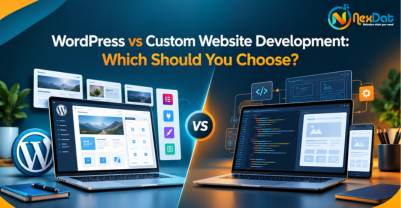

WordPress vs Custom Website Development: Which Should You Choose?
Choosing the right platform for your business website can have a major impact on its performance, scalability, security and long-term costs. Two of the most common options are WordPress website development and custom website development.
WordPress is popular because it is flexible, relatively affordable and easy to manage. A custom website, on the other hand, can be developed specifically around a business’s unique requirements, functionality and growth plans.
So, which option is better?
The answer depends on your budget, business goals, required functionality and how much control you want over your website. In this guide, we compare WordPress vs custom website development to help you make an informed decision.
What Is WordPress Website Development?
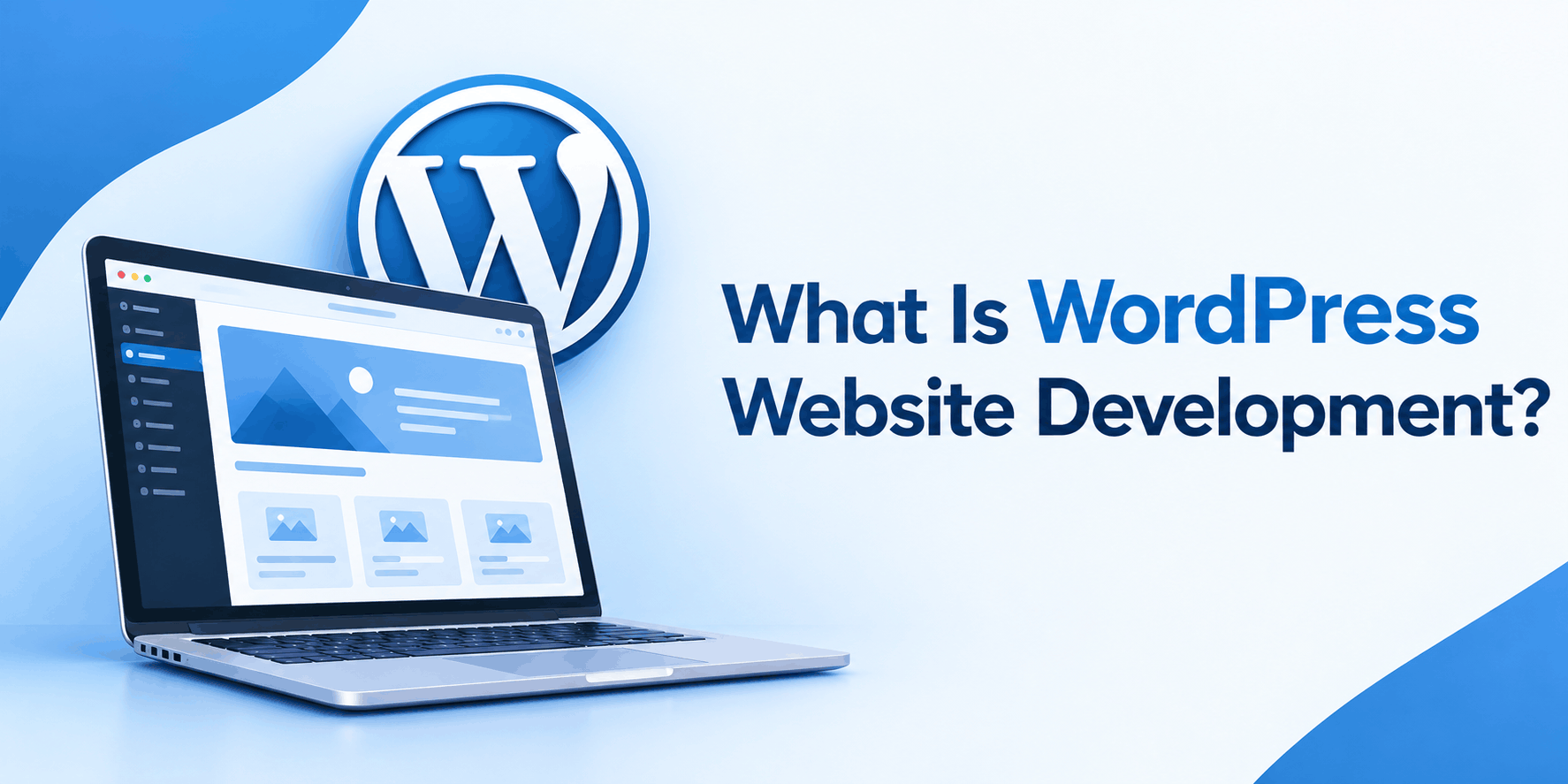
WordPress is a content management system (CMS) used to create and manage websites. It powers a large number of websites worldwide and is widely used by businesses, bloggers, e-commerce companies and service providers.
With WordPress web development, businesses can use themes, plugins and custom development to create anything from a simple business website to a more advanced online platform.
One of the biggest advantages of WordPress is its flexibility. A website can start with a relatively simple setup and later be expanded with additional functionality.
WordPress can be particularly suitable for:
- Small and medium-sized businesses
- Service-based businesses
- Blogs and content websites
- Local businesses
- E-commerce websites
- Businesses that regularly publish content
What Is Custom Website Development?
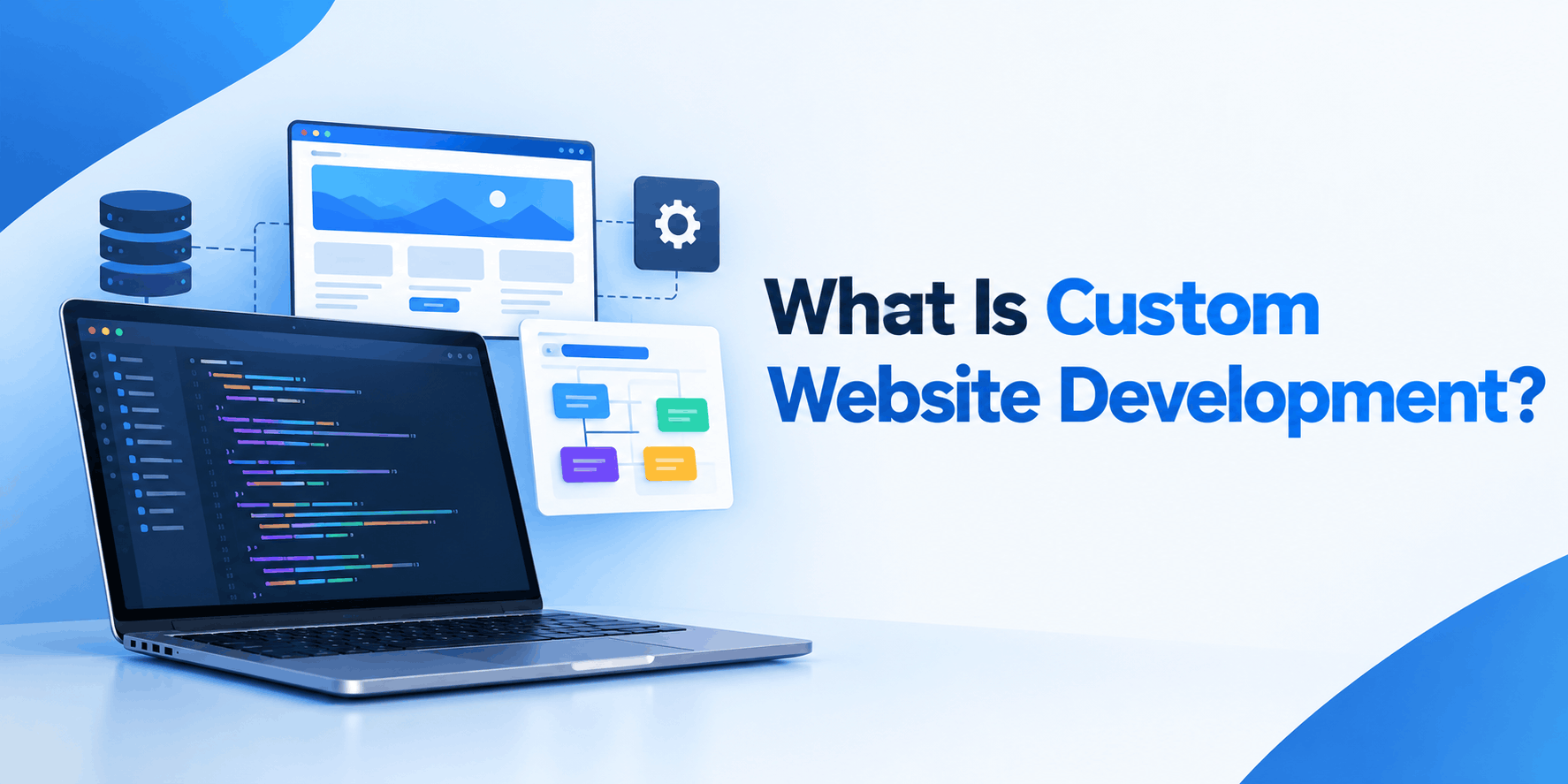
Custom website development involves creating a website specifically for a business rather than relying primarily on a pre-built theme or standard website structure.
Developers can build the website’s design, functionality, database structure and features around the company’s specific requirements.
A custom website may be appropriate when a business needs unique functionality that cannot easily be achieved using standard WordPress themes and plugins.
Custom development can be particularly useful for:
- Complex business platforms
- Bespoke booking systems
- Customer portals
- Advanced integrations
- Web applications
- Large-scale e-commerce platforms
- Businesses with highly specific functionality
WordPress vs Custom Website: Key Differences
The right choice becomes easier when you compare the two options across several important factors.
1. Cost
Website development cost is one of the first considerations for most businesses.
WordPress can often be more affordable because businesses can use existing themes and plugins. Development time may also be lower for standard business websites.
Custom websites generally require more development work from the beginning. Developers may need to design and build functionality specifically for the business, which can increase the initial investment.
However, the cheapest option is not always the most cost-effective. Consider the website’s expected lifespan, maintenance requirements and future development needs when comparing costs.
2. Design and Flexibility
WordPress offers thousands of themes and considerable design flexibility. Developers can also customise themes and create bespoke WordPress designs.
However, businesses using heavily pre-built themes may find that their website looks similar to other websites.
A custom website design provides greater control over the user interface and overall customer experience. Every element can be designed around the brand and its objectives.
If creating a highly distinctive digital experience is important, custom development may be the better option.
3. Functionality
WordPress has a huge ecosystem of plugins that can add functionality such as contact forms, SEO features, analytics, e-commerce, bookings and memberships.
This makes WordPress an excellent option for many businesses.
However, relying on numerous plugins can sometimes create compatibility, performance or maintenance challenges.
A custom website allows developers to build functionality specifically around the business requirements. This can be particularly valuable when standard plugins cannot provide the required functionality.
Both WordPress and custom-built websites can perform well in search engines.
Your choice of platform does not automatically guarantee higher Google rankings.
SEO depends on factors including:
- Website structure
- Page speed
- Mobile usability
- Content quality
- Keyword targeting
- Internal linking
- Technical SEO
- Backlinks
- User experience
- User experience
WordPress provides access to numerous SEO tools and plugins, making it relatively straightforward for businesses to manage many common SEO requirements.
A custom website can also be built with SEO in mind from the beginning, giving developers greater control over technical implementation.
For businesses investing in SEO services, the important point is that the platform should support—not restrict—the overall SEO strategy.
5. Website Speed and Performance
Website performance is important for both users and search engines.
A poorly configured WordPress website can become slow if it uses too many plugins, large images, unnecessary scripts or poorly optimised themes.
However, a properly developed and optimised WordPress website can perform very well.
Custom websites can be developed with performance requirements in mind from the beginning. Developers have greater control over the code and functionality being included.
This does not mean every custom website will automatically be faster than WordPress. Development quality and ongoing optimisation remain important.
6. Security
Website security should be considered regardless of which platform you choose.
WordPress websites need regular updates for the WordPress core, themes and plugins. Using outdated software can create unnecessary security risks.
Custom websites also require security maintenance, including software updates, server protection, secure coding practices, backups and monitoring.
A professional website development company should include security considerations throughout the development and maintenance process.
7. Maintenance
WordPress makes content management relatively straightforward. Business owners and marketing teams can often add pages, publish blogs and update content without requiring a developer for every change.
However, WordPress websites need regular maintenance, including updates, backups, security checks and plugin management.
Custom websites may require more developer involvement for technical changes, depending on how the CMS and website have been built.
For businesses that regularly publish content, a CMS such as WordPress can therefore be particularly convenient.
Which Is Better for Small Businesses?
For many small businesses, WordPress website development can be an excellent choice.
If you need a professional business website with service pages, blog functionality, contact forms, SEO capabilities and integrations, WordPress can provide the flexibility you need without the cost of building every feature from scratch.
For example, a local service business that wants to improve its local SEO, publish regular content and generate enquiries may not need a completely bespoke platform.
When Should You Choose a Custom Website?
Custom website development may make more sense when your business has requirements that go beyond a standard website.
You might consider custom development if you need:
- Bespoke customer dashboards
- Complex databases
- Unique calculators or tools
- Advanced booking functionality
- Custom APIs and integrations
- Membership systems
- Bespoke business workflows
- Highly specialised e-commerce functionality
In these situations, building specifically around your requirements can provide greater flexibility and long-term control.
WordPress vs Custom Website: Which Is More Scalable?
Both options can be scalable, but they scale in different ways.
WordPress can be expanded through themes, plugins and custom development. It can support growing content libraries, additional services and many types of e-commerce functionality.
Custom development provides greater control over the underlying architecture. This can be beneficial for businesses expecting complex requirements or significant technological growth.
The key is to choose a solution based on where your business is going—not only where it is today.
So, Which Website Should You Choose?
There is no universal answer to the WordPress vs custom website debate.
Choose WordPress if you want:
- A cost-effective website solution
- Easy content management
- A flexible CMS
- Strong blogging capabilities
- Access to thousands of integrations
- A platform suitable for SEO and content marketing
Consider custom website development if you need:
- Unique functionality
- Complex integrations
- Bespoke business systems
- Advanced user experiences
- Greater control over website architecture
- Functionality that standard CMS solutions cannot easily provide
For many small and medium-sized businesses, WordPress provides the right balance between cost, flexibility and functionality. For businesses with complex digital requirements, a custom-built solution may provide better long-term value.
Build the Right Website for Your Business
Your website should support your business goals rather than simply look attractive.
At Nexdat, we provide website design and development solutions tailored to different business requirements. Whether you need a professional WordPress website, an SEO-focused business website or a more customised digital solution, the right approach starts with understanding your objectives, audience and growth plans.
The best website isn’t necessarily the one with the most advanced technology. It is the one that provides the right functionality, delivers a strong user experience and helps your business generate measurable results.
Before choosing between WordPress and custom development, consider your budget, functionality, SEO requirements, maintenance needs and long-term plans. Making the right decision at the beginning can save time and development costs as your business grows.
To know more about the costing of website raed our blog, How Much Does a Business Website Cost in the UK in 2026?