
How Digital Marketing Is Overtaking Traditional Methods in 2024
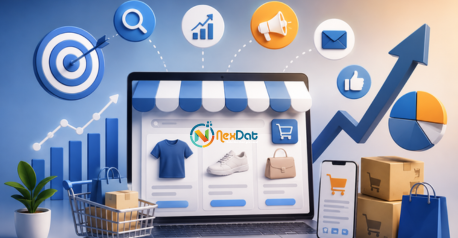
The way businesses connect and interact with people has changed a lot in today’s fast-paced world. Billboards, paper ads, and TV spots are some examples of traditional advertising techniques that have been used for a long time. But as we move into 2024, it’s clear that digital marketing isn’t just a fad; it’s a major force changing how marketing is done. Digital Marketing vs. Traditional Marketing has become a key debate, with digital marketing offering targeted, data-driven strategies that reach a global audience instantly, while traditional marketing still holds value for its tangible, trust-building presence in local communities.
The Digital Revolution: Why Digital Marketing Is on the Rise
Digital marketing has become the preferred method for businesses of all sizes due to several key factors:
Targeted Reach and Personalization
One of the most significant advantages of digital marketing is the ability to target specific audiences with precision. Unlike traditional marketing, where ads are broadcast to a broad and often uninterested audience, digital marketing allows businesses to tailor their messages to the right people at the right time.

Personalization, driven by data analytics and artificial intelligence, enables marketers to create highly relevant content that resonates with individual consumers, boosting engagement and conversion rates.
Cost-Effectiveness
Traditional marketing methods, such as TV commercials or print ads, require substantial investment. In contrast, digital marketing offers a range of cost-effective options, from social media campaigns to email marketing. Small businesses, in particular, benefit from the low cost of entry, allowing them to compete with larger companies on a more level playing field.
Measurable Results
In the digital realm, everything is measurable. Marketers can track every click, view, and conversion, providing invaluable insights into what works and what doesn’t. This data-driven approach allows for continuous optimization, ensuring that marketing budgets are spent efficiently. Traditional marketing, on the other hand, often struggles with attribution, making it difficult to gauge the effectiveness of a campaign.

Global Reach
The internet has no borders, and digital marketing takes full advantage of this fact. With a well-executed digital strategy, even small businesses can reach a global audience. Traditional marketing, by contrast, is often limited by geographical boundaries, making it challenging to scale campaigns to a global level.
Interactive and Engaging Content
Digital platforms allow for a level of interactivity that traditional marketing simply can’t match. Social media, video content, and live streams engage audiences in real-time, creating a two-way conversation between brands and consumers. This level of engagement not only builds stronger customer relationships but also fosters brand loyalty.
The Decline of Traditional Marketing
While traditional marketing is far from dead, its influence is waning. Here’s why:
Decreasing Audience Attention
Consumers today are more likely to spend time on their smartphones or computers than watching TV or reading newspapers. The rise of ad-blocking software and streaming services like Netflix, which are free of traditional ads, further diminishes the reach of traditional marketing channels.
Shifting Consumer Preferences
Today’s consumers are more sceptical of overt advertising. They prefer to research products and services online, read reviews, and engage with brands on social media before making a purchase decision. Traditional marketing methods, which are often seen as intrusive, are less effective in influencing these informed and empowered consumers.


Sustainability Concerns
As sustainability becomes a top priority for consumers, traditional marketing methods that rely on physical materials (like direct mail or print ads) are being scrutinized for their environmental impact. Digital marketing, with its paperless approach, aligns better with the values of today’s eco-conscious audience.
Ready to Start Advertising Online?
The Future of Marketing
A Digital-First Approach
As we move further into 2024, it’s clear that the future of marketing is digital. Businesses that fail to adapt to this shift risk falling behind their competitors. However, this doesn’t mean that traditional marketing is completely obsolete. A balanced approach that integrates both digital and traditional methods can be effective, especially when targeting diverse demographics.
Conclusion
The rise of digital marketing in 2024 is not just a trend; it’s a fundamental shift in how businesses communicate with their audiences. The ability to target, personalize, and measure marketing efforts gives digital marketing a distinct edge over traditional methods. As consumer behaviours continue to evolve, businesses must embrace digital strategies to stay relevant and competitive in the modern marketplace.
FAQs About Digital vs. Traditional Marketing
Absolutely! Many businesses use a mix of both to reach different audiences. It’s like having a lemonade stand on the street and also telling everyone about it.
Yes, digital marketing is usually more cost-effective. You can reach a larger audience without spending as much money as you would on big TV ads or billboards. You can see results pretty quickly! With tools like analytics, you’ll know almost right away how many people saw your ad, clicked on it, or made a purchase.
Not necessarily! While there’s a learning curve, there are lots of tools and resources to help you get started. Plus, you can always hire experts if you need a hand.
The biggest advantage is that you can reach exactly the people who are most interested in what you’re offering. It’s like finding all the lemonade lovers in one place!